
Article — 23 February 2024
Bringing wine on tap to your wine bar
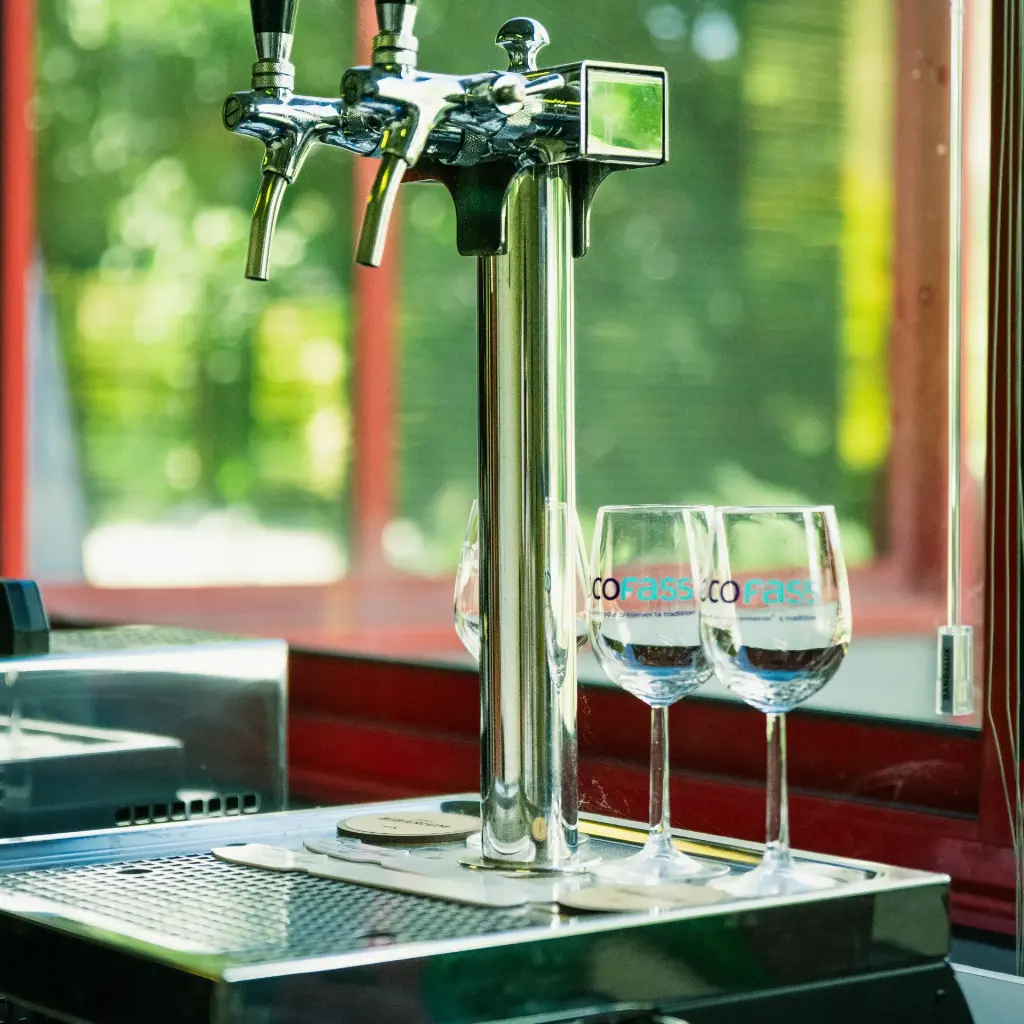
Wine on tap is gaining popularity in the restaurant world, particularly in wine bars. For a professional considering this method, it is essential to understand the process, its advantages and drawbacks, and the practical implications for the venue. Here is a complete overview of the wine-on-tap service offered by ecofass, your supplier of food-grade plastic containers, to help you make an informed decision about bringing this innovation to your wine bar.
The process
Understanding how wine on tap works
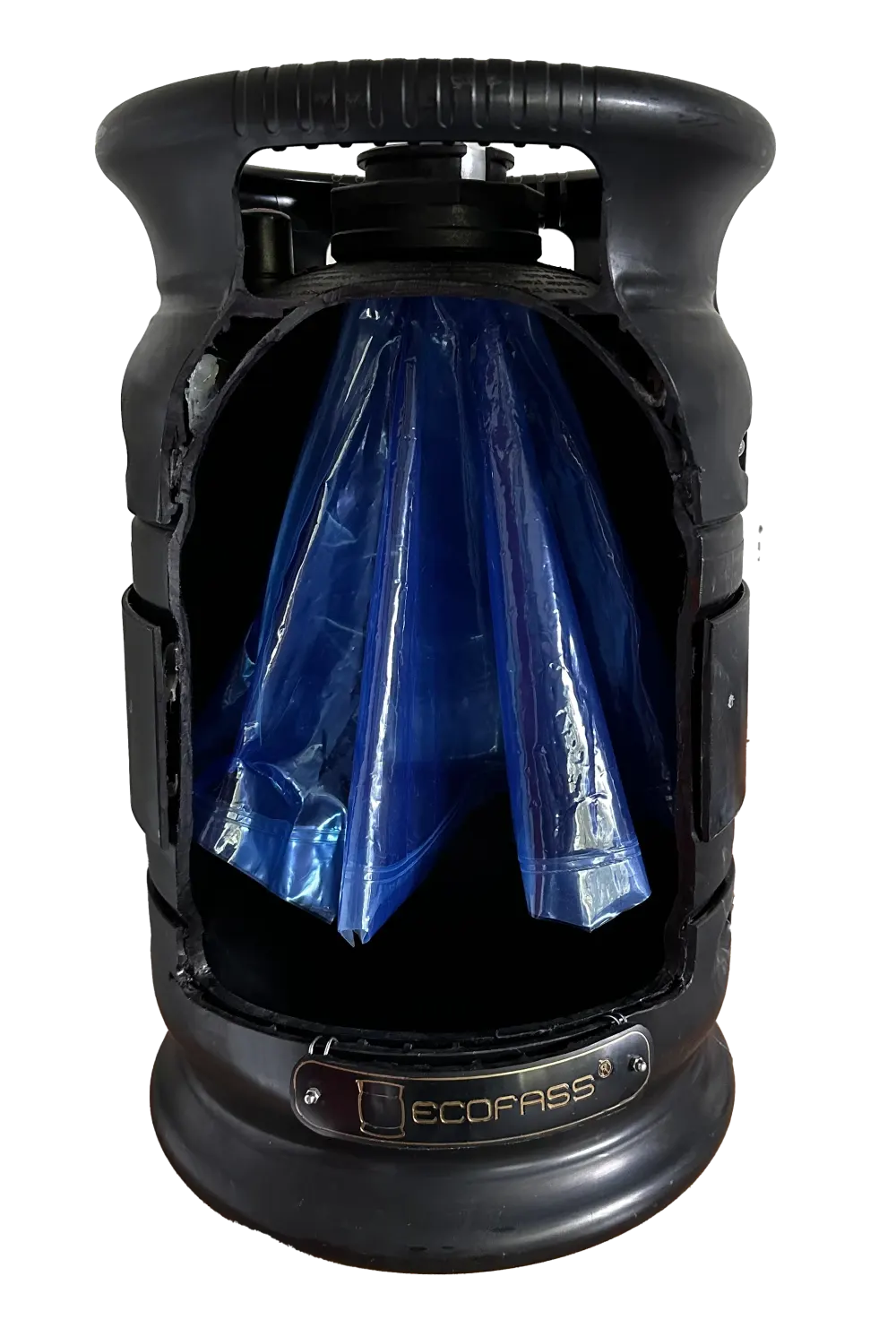
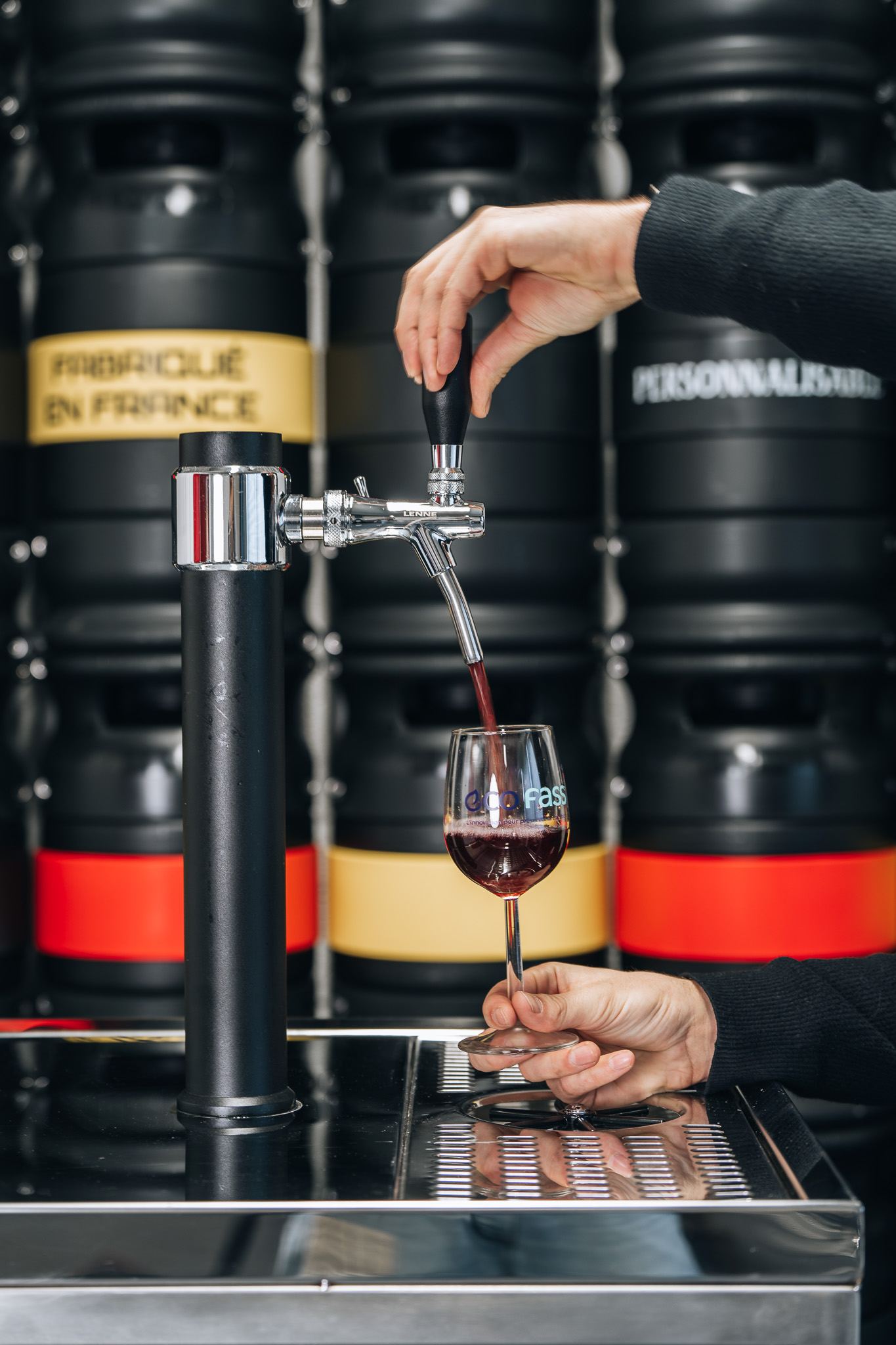
Wine on tap, similar to the draught beer system, means serving wine directly from a keg or specialised container through a tap. This method preserves the wine's quality and freshness by keeping it in a hermetically sealed environment, generally under nitrogen or carbon dioxide, to prevent oxidation.
Benefits
The benefits of wine on tap
Bringing wine on tap to your wine bar offers several significant advantages.
- Consistent freshness and quality: the system preserves the wine's organoleptic characteristics, ensuring a consistently high-quality offer for your customers.
- Less waste: wine on tap lets you serve precise quantities, reducing the waste associated with opened, unfinished bottles.
- A wider offer: you can offer a greater variety of wines without having to open several bottles.
- Operational efficiency: service is quick and simple, optimising service time and customer satisfaction.
Points to watch
Drawbacks to consider with wine on tap
Despite its many advantages, wine on tap has a few points worth knowing about.
Initial investment
Installing a tap system can represent a significant upfront cost.
Maintenance
The system requires regular maintenance to ensure it works properly and to protect the quality of the wine.
Day to day
Putting wine on tap into daily practice
Bringing wine on tap into your venue requires planning and adaptation.
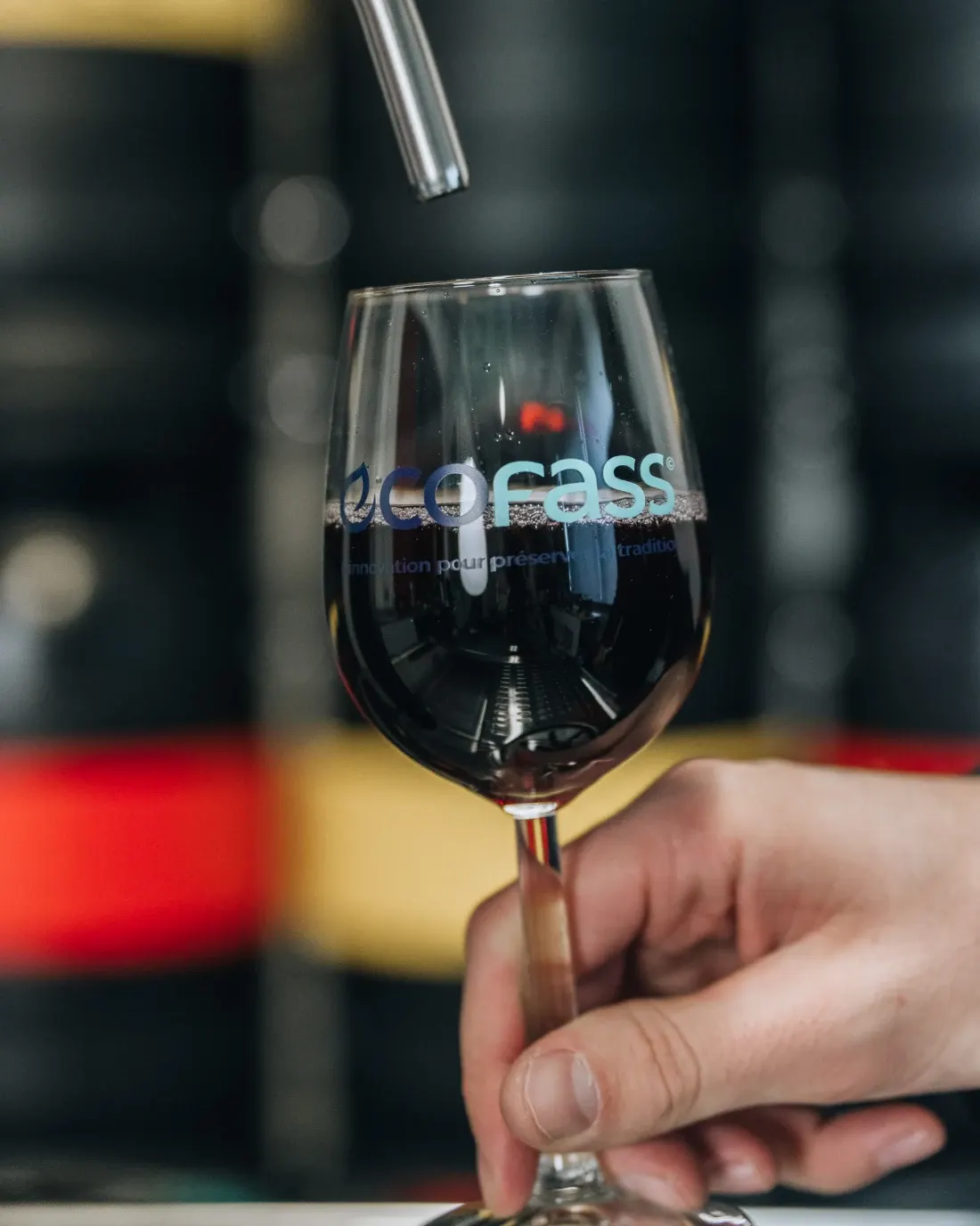
- Staff training: it is crucial to train your staff to use the tap correctly and in wine-service techniques.
- Space management: you will need to plan space for storing and positioning the kegs and associated equipment.
- Wine selection: choose the wines you offer on tap carefully, taking into account your customers' preferences and wine rotation.
Organisation
How wine on tap affects your venue's logistics and organisation
Adopting wine on tap changes certain logistical and organisational aspects of your wine bar.
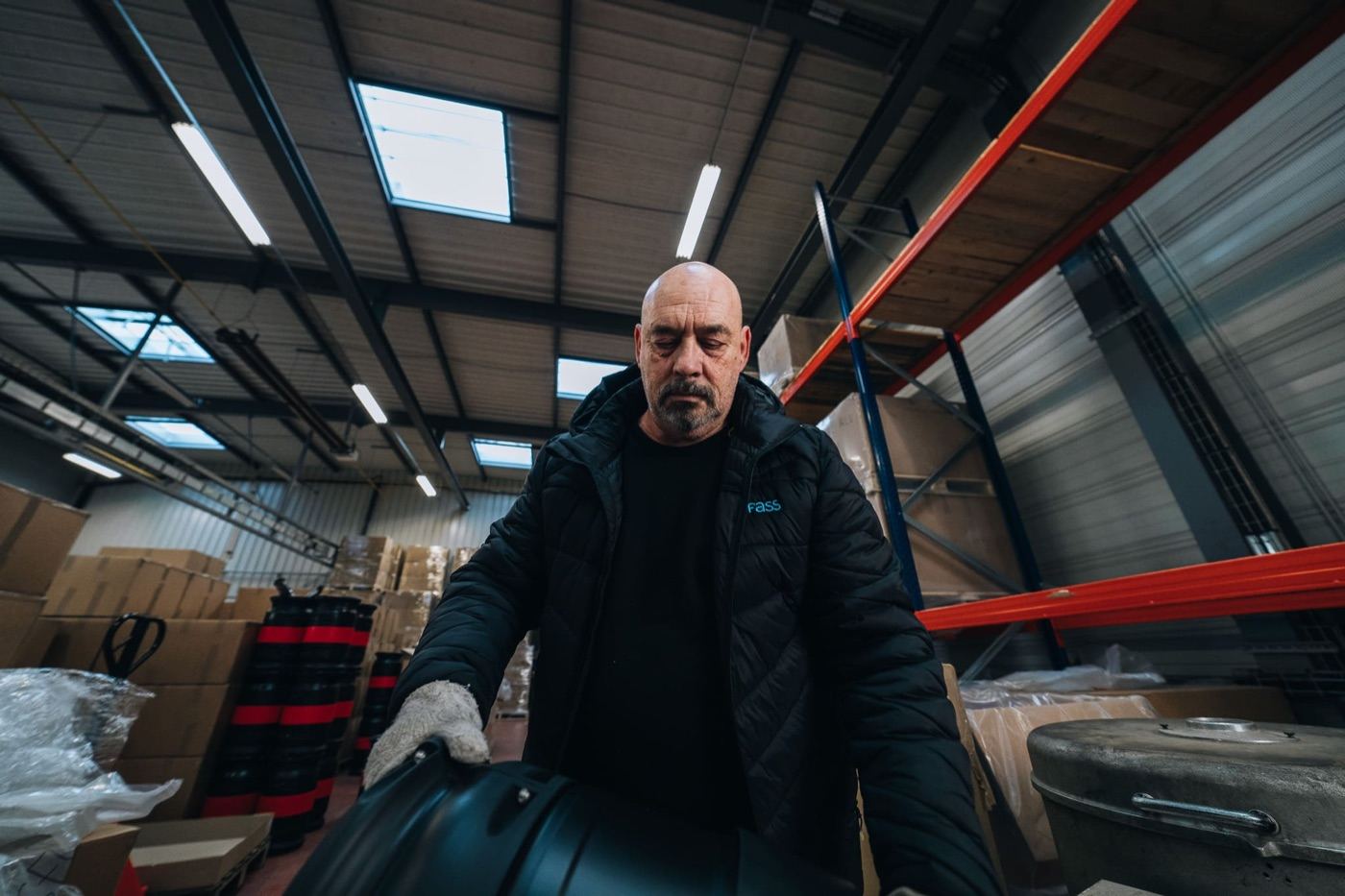
- Storage logistics: kegs need less storage space than bottles and make stock management easier.
- Better use of resources: with faster service and less waste, staff and equipment are used more efficiently.
- Changes in sourcing: you will need to build relationships with suppliers offering wines suited to the tap.
In conclusion, bringing wine on tap to your wine bar can be an innovative and profitable move. Although it requires an initial investment and some reorganisation, the benefits in terms of wine quality, operational efficiency and customer satisfaction are considerable over the medium and long term.
By taking all these aspects into account, you can transform the wine-tasting experience in your venue while streamlining your day-to-day management. It also sparks real curiosity and interest among end consumers.
FAQ
FAQ — Wine on tap
Wine in a tap system can keep for up to several weeks, or even months, without significant loss of quality, thanks to a hermetically sealed environment and optimal gas management.
Yes, wine kegs generally use nitrogen or carbon dioxide to maintain pressure and prevent the wine from oxidising.
Installation can vary in complexity depending on the system chosen. However, many suppliers offer full installation and training to make set-up easy. Contact us for more information: our teams will help you install your kegs.
Absolutely. Modern tap systems can serve different types of wine, each kept in its own keg, offering great flexibility.
The main advantage is a significant reduction in wine waste, optimal preservation of wine quality and greater operational efficiency in service.
Yes. By reducing packaging waste and the emissions linked to transporting bottles, a wine-on-tap system is a greener option.
By bringing wine on tap to your wine bar, you adopt an innovative approach that not only improves the customer experience but also contributes to more efficient and sustainable management of your venue.
Read also
Going further
Wine on tap: a revolution in the world of wine with Ecofass
How it works, its benefits, its impact on winemaking tradition, and ECOFASS solutions for winemakers and the hospitality sector.
ECOFASS: leading plastic keg supplier in France and Switzerland
Selection criteria, keg features, value for money, customisation and customer testimonials.
Switch to tap
Equip your wine bar.
One demonstration is enough to measure what wine on tap changes at service — or explore our solution for cafés, hotels and restaurants.